
What to Expect During the Fire Restoration Process
People seeking fire restoration typically want to restore safety and property after a fire, and local service providers can efficiently handle cleanup, repairs, and damage mitigation.
Understanding what to expect during the fire restoration process can help property owners navigate a challenging situation with greater confidence. After a fire, the path to restoring a property involves several key steps, from initial assessment and debris removal to cleaning and rebuilding. Local contractors specializing in fire restoration are equipped to handle these stages efficiently, ensuring that the property is thoroughly evaluated and that all damages are addressed. Being informed about what typically occurs during this process can make it easier to coordinate with service providers and make timely decisions about repairs and recovery.
For property owners in the area, exploring this topic is a practical way to prepare for the aftermath of a fire. Knowing what the fire restoration process entails can help set realistic expectations and highlight the importance of working with experienced service providers. Local experts can offer comprehensive solutions tailored to each situation, helping to restore safety and comfort to the property. Continuing to learn about the steps involved can empower property owners to make informed choices and connect with the right professionals to handle the job effectively.
- Assessment and Inspection - when a property has experienced fire damage, local contractors evaluate the extent of smoke, soot, and structural harm to determine necessary restoration steps.
- Soot and Smoke Removal - after a fire, service providers focus on cleaning surfaces and air to eliminate residual odors and contaminants.
- Structural Repairs - in cases of significant damage, local pros perform repairs or rebuilds to restore safety and stability to the property.
- Content Cleaning and Restoration - when belongings are affected by smoke or water, specialists clean, restore, or safely dispose of damaged items.
- Final Cleaning and Deodorization - before completing the process, contractors thoroughly clean the property and apply deodorization to ensure a safe, fresh environment.
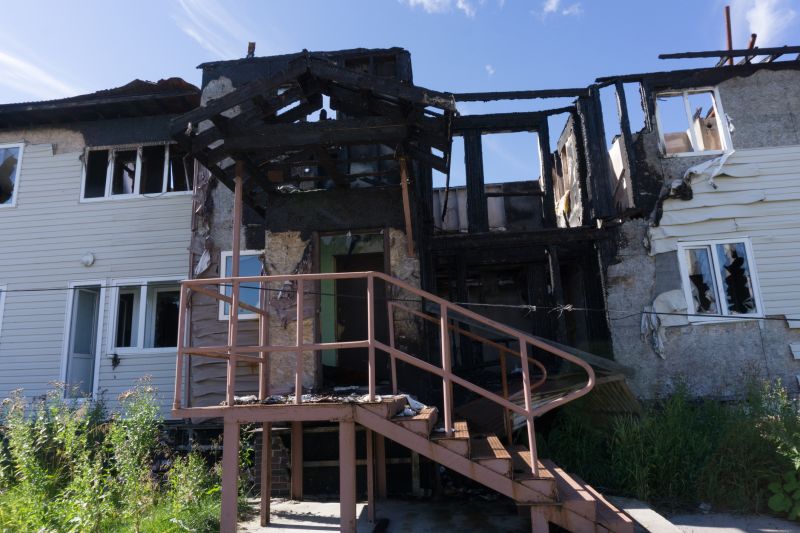
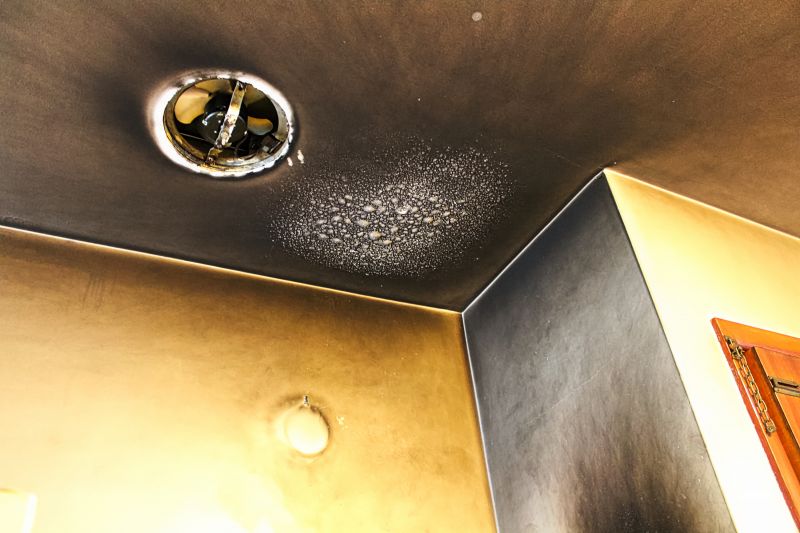
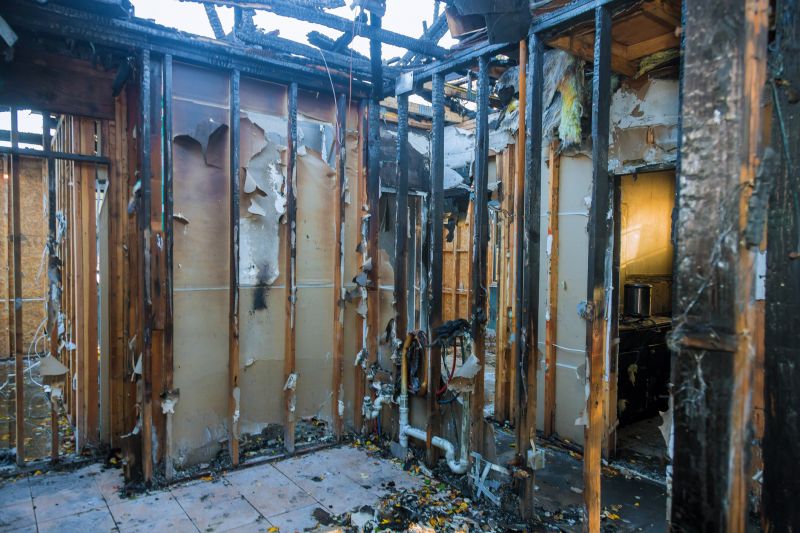
Understanding what to expect during the fire restoration process can help homeowners prepare for the steps involved after a fire incident. When searching for this information, most people are looking to comprehend how restoration professionals assess the damage, what cleanup procedures are involved, and how the property will be repaired or restored to its pre-fire condition. This process often includes addressing soot and smoke damage, cleaning and deodorizing affected areas, and repairing structural components that may have been compromised. Knowing the typical stages of fire restoration can ease concerns and help homeowners coordinate with local service providers more effectively.
Fire restoration is closely related to problems such as smoke damage, soot residue, structural compromise, and water damage caused by firefighting efforts. Homeowners may also have plans to restore or replace damaged belongings, furniture, and fixtures. Properties that usually come up during this process include residential homes, apartments, and small commercial buildings that have experienced fire incidents. Each property presents unique challenges, such as different materials affected or the extent of damage, which local contractors are experienced in managing. Recognizing these common issues helps homeowners understand how local fire restoration professionals tailor their services to each specific project.
The types of properties involved in fire restoration projects typically vary but often include single-family homes, multi-unit residential buildings, and small commercial spaces. These properties usually share common features like wood framing, drywall, flooring, and furnishings that are vulnerable to smoke and heat damage. The restoration process often begins with securing the property and removing debris, followed by detailed cleaning to eliminate soot and odors. As part of the process, local service providers may also perform repairs to structural elements, replace damaged materials, and restore the property to a safe, habitable condition. Understanding the property types involved helps homeowners anticipate the scope of work and the expertise needed for effective restoration.
Throughout the fire restoration process, homeowners can expect a series of coordinated efforts by local contractors to address the damage comprehensively. This includes initial assessments, detailed cleaning, odor removal, and repairs or reconstruction. Each stage is designed to restore the property’s safety and appearance, with the goal of returning it to its original condition as closely as possible. Service providers work closely with homeowners to ensure that the work is performed efficiently and thoroughly, helping to manage expectations and facilitate a smoother recovery. Knowing what to expect during this process can provide reassurance and clarity, making it easier for homeowners to navigate the aftermath of a fire incident with the support of experienced local professionals.
Smoke Damage Restoration - this project involves cleaning and restoring surfaces affected by smoke, which shares techniques with fire damage cleanup and odor removal during the fire restoration process.
Water Damage Repair - often necessary after firefighting efforts, water damage repair requires similar drying, mold prevention, and structural assessment skills as fire restoration.
Structural Drying and Dehumidification - these services focus on removing excess moisture from structures, a key step in fire restoration to prevent further damage and mold growth.
Content Cleaning and Restoration - involves cleaning and restoring personal belongings affected by fire, smoke, or water, requiring careful planning and specialized cleaning tools.
Mold Remediation - addressing mold growth caused by water used in firefighting or leaks, this project shares planning and containment strategies with fire damage mitigation.
Hazardous Material Removal - includes safely removing debris or materials contaminated by fire, smoke, or chemicals, requiring similar safety protocols and handling procedures as fire restoration.
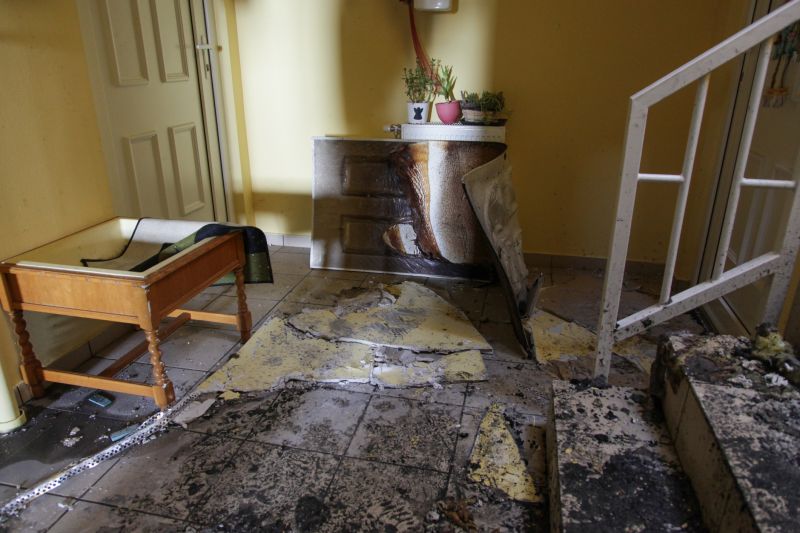
When evaluating fire restoration service providers, it’s important to consider their experience with similar projects. Homeowners should inquire about the types of fire damage they have handled and whether they are familiar with the specific challenges associated with fire restoration. A contractor with a proven track record in managing fire-related damage can often provide a clearer picture of what to expect during the fire restoration process, helping to set realistic expectations for the scope and complexity of the work involved.
Clear written expectations are essential for a smooth restoration experience. Reputable local contractors typically provide detailed project descriptions, outlining the steps involved and the services included. This documentation can help homeowners understand what services will be performed, the approximate sequence of events, and what results they can anticipate. Having this information in writing minimizes misunderstandings and ensures that everyone is aligned on the scope and goals of the fire restoration project.
Good communication and reputable references are key indicators of a reliable service provider. Homeowners should seek out local contractors who are transparent about their work history and can provide references from past clients who experienced similar fire damage restoration projects. Open lines of communication throughout the process allow for questions and updates, making it easier to navigate unexpected issues or changes. Choosing a provider with a history of satisfied clients and clear communication helps ensure the restoration process proceeds smoothly and aligns with expectations.
Property owners often search for what to expect during the fire restoration process when they are planning practical projects around their homes and businesses. Local pros provide Fire Restoration services for everyday jobs and straightforward project options.
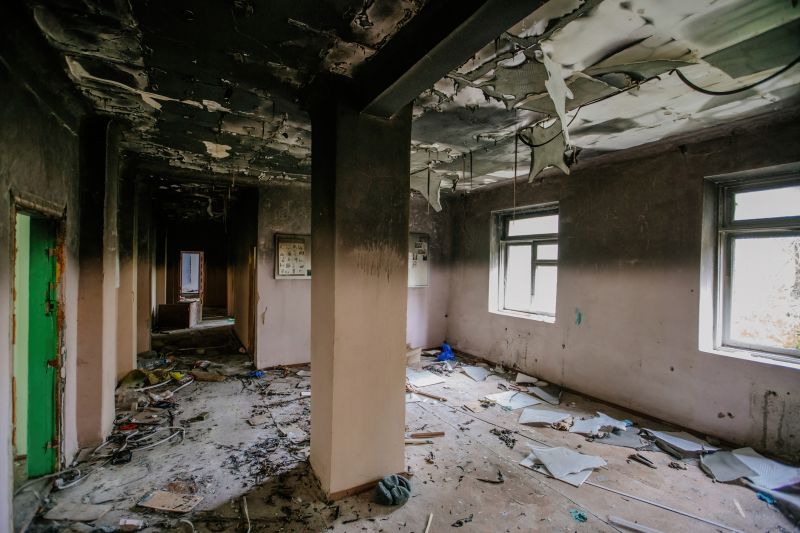
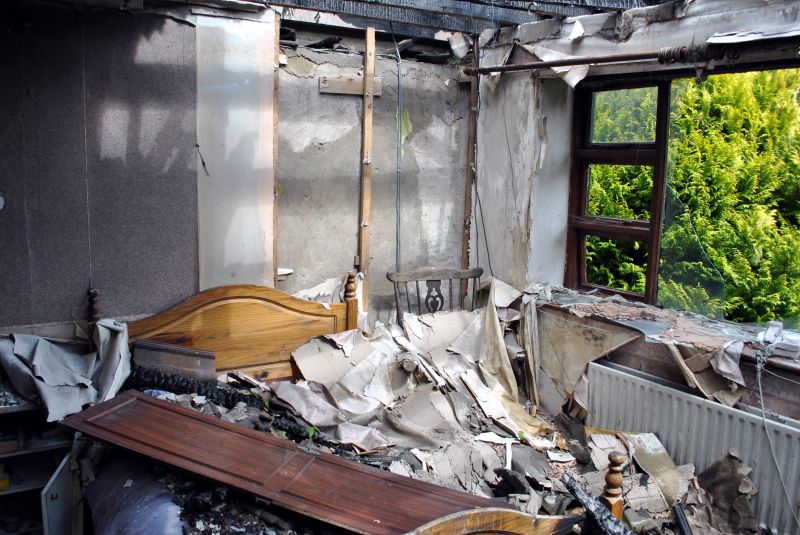
During the fire restoration process, property owners can expect a series of coordinated efforts to address the damage caused by a fire. Typically, local contractors begin with an assessment to determine the extent of structural and smoke damage. This initial step helps identify areas that need cleaning, repairs, or replacement. As the process unfolds, homeowners or property managers might observe debris removal, soot and smoke odor treatments, and temporary measures to secure the property. These steps are part of a standard approach that local service providers use to restore safety and prepare the space for reconstruction.
Throughout the fire restoration journey, communication with local contractors often involves updates on progress and explanations of the work being performed. Property owners may experience a combination of cleaning, deodorizing, and minor repairs, depending on the severity of the damage. The goal of these services is to return the property to a safe, habitable condition. Knowing what to expect during the fire restoration process can help property owners feel more prepared and confident in working with experienced local service providers who specialize in fire damage recovery.
What are the typical steps involved in fire restoration? Local contractors usually start with an assessment of damage, followed by debris removal, cleaning, soot and smoke odor treatment, and finally repairs or reconstruction. They guide homeowners through each phase to restore the property effectively.
How do fire restoration services handle smoke and soot damage? Service providers use specialized cleaning techniques and equipment to remove smoke residues and soot from surfaces, helping to improve indoor air quality and prevent further damage.
What should I expect during the cleanup process? During cleanup, local pros will carefully remove debris and contaminated materials, clean surfaces thoroughly, and apply deodorization methods to eliminate lingering smoke odors.
Will fire restoration include repairs to structural elements? Yes, many fire restoration services offer repair and reconstruction of damaged structures, restoring the property to its pre-fire condition or better.
How do service providers ensure the property is safe after fire damage? Local contractors perform thorough cleaning and testing to remove hazards like soot, ash, and potentially harmful residues, helping to make the property safe for occupancy again.
Assessment and Inspection - Local contractors will evaluate the extent of fire and smoke damage to determine necessary restoration steps.
Structural Repairs - Property owners can plan for repairs to walls, ceilings, and flooring with the help of experienced service providers.
Cleaning and Odor Removal - Professionals will use specialized techniques to clean surfaces and eliminate lingering smoke odors from the property.
Restoration and Rebuilding - Restoration services may include replacing damaged materials and restoring the property to its pre-fire condition.
If you are thinking about what to expect during the fire restoration process for a property, this guide is meant to help you understand this topic, the typical project types, and how different options might fit your plans.
When you are ready, you can use the quote form on this page to share a few details about your project. From there, local pros can review the basics and follow up with options that match what you have in mind.